
Industry News
Nov. 22, 2025
Mold Making
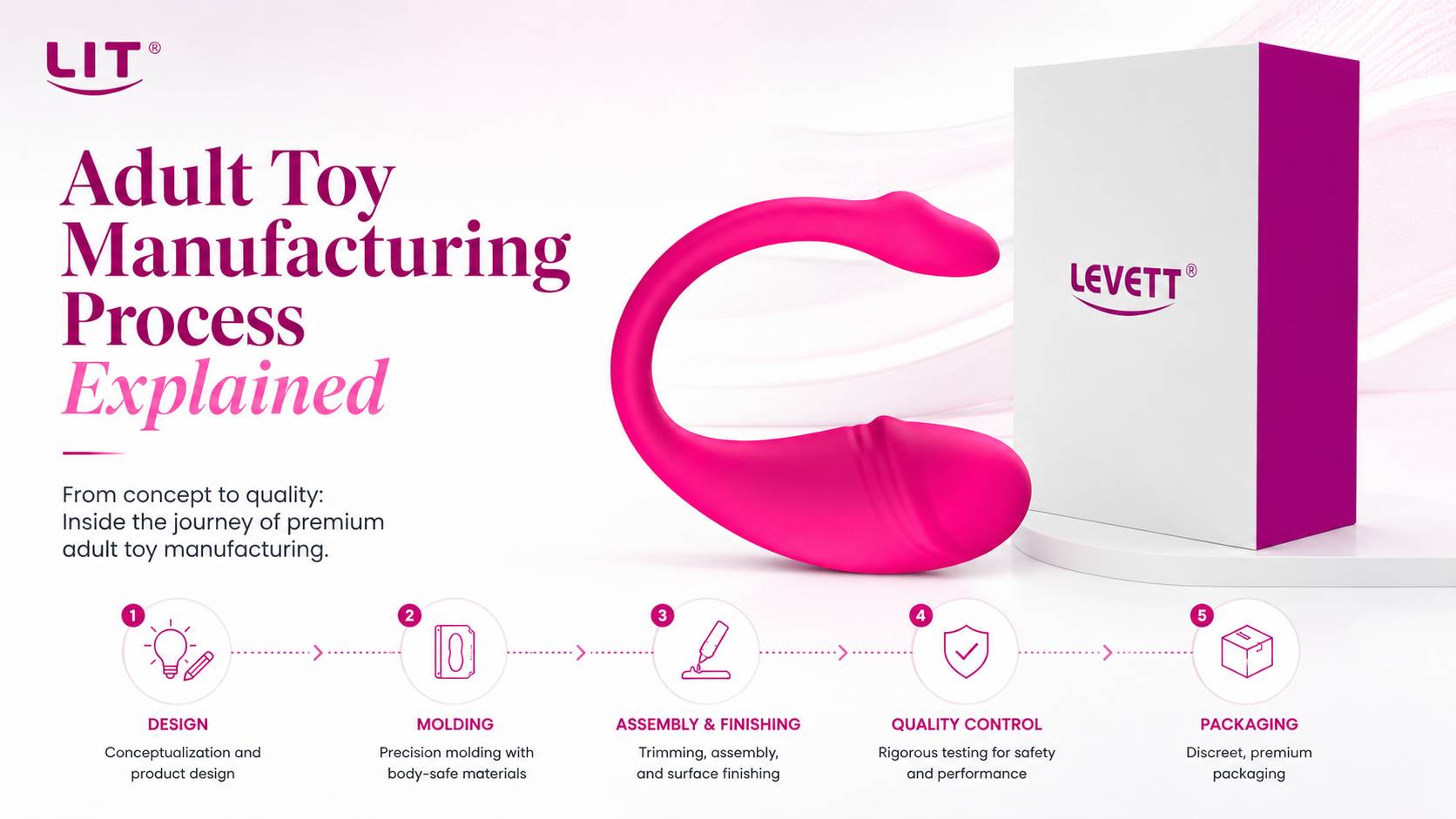
Design & Master Mold Creation:
Based on the product design drawings, a master mold is created using materials such as metal or resin.
Mold Fabrication:
A negative mold is produced from the master mold. The mold structure determines the final shape of the silicone product.
Silicone Material Preparation
Material Selection:
Select suitable silicone material according to product requirements, such as food-grade or industrial-grade silicone. Common materials include Liquid Silicone Rubber (LSR) and High Consistency Rubber (HCR).
Mixing:
Mix component A and component B of the silicone according to the required formula to achieve a uniform blend.
Molding Process
Compression Molding:
The mixed silicone is placed in the mold and cured under heat and pressure to form the product.
Injection Molding:
The silicone mixture is injected into a closed mold and cured at high temperature. This method is ideal for producing complex shapes and large-volume orders.
LSR Liquid Injection Molding:
Two liquid silicone components are precisely metered and mixed, then injected into the mold for rapid vulcanization at high temperatures, achieving high efficiency and precision.
Vulcanization
Heat Curing:
Under a controlled temperature (typically 150–200°C) and pressure, the silicone undergoes a chemical reaction to convert from a semi-liquid to an elastic solid.
Completion of Vulcanization:
The silicone is fully cured within the mold, forming the finished product shape.
Demolding
Cooling:
Allow the mold to cool to a safe temperature.
Product Removal:
Carefully remove the cured silicone product from the mold.
Post-Processing
Trimming:
Remove excess flash or molding burrs from the product surface.
Cleaning:
Clean the product to eliminate mold release residue or other contaminants.
Quality Inspection:
Conduct appearance and functional checks to ensure the product meets quality specifications.
Maybe You Like
Aug. 27, 2026
Aug. 21, 2026
Nov. 29, 2025
Nov. 29, 2025

